



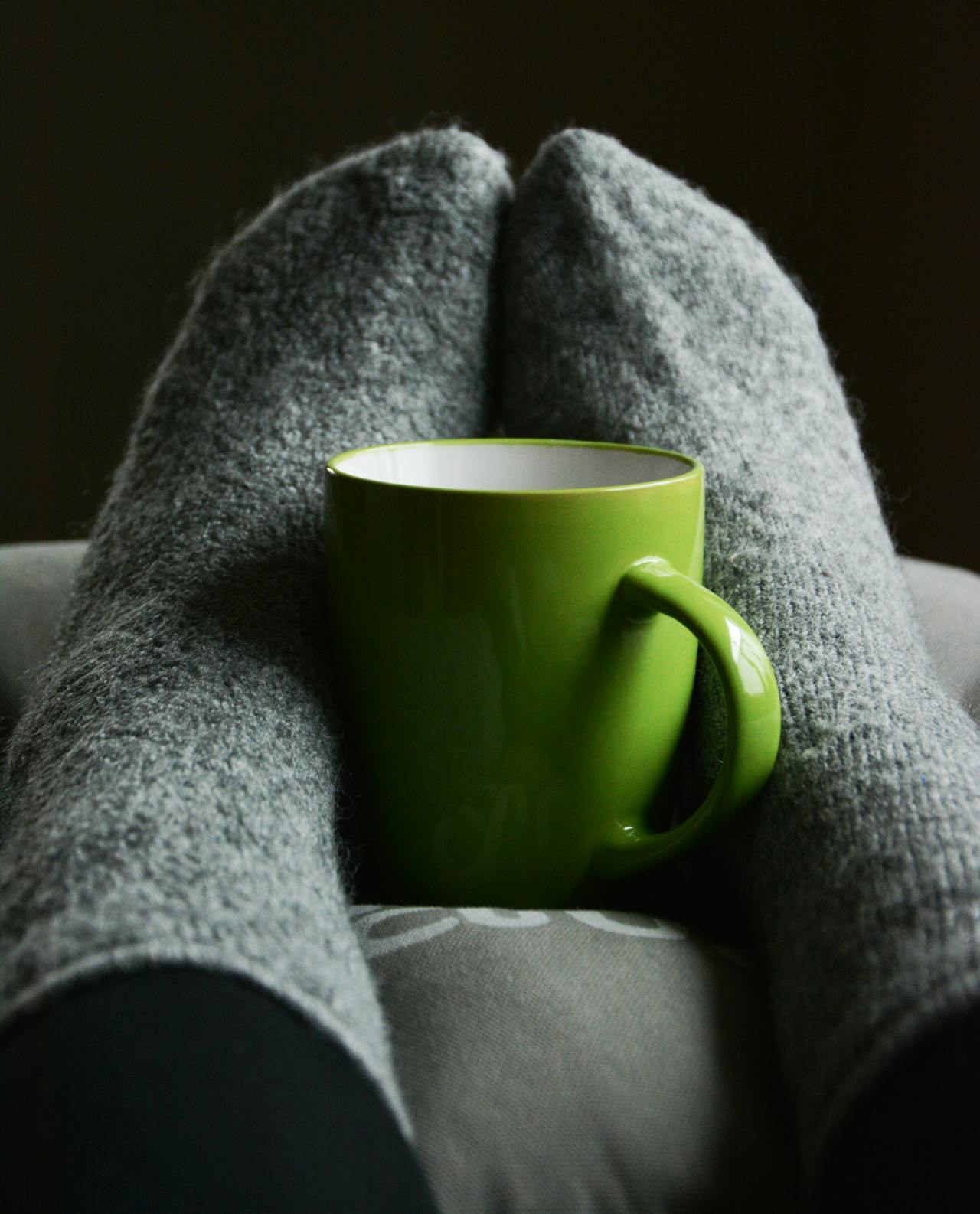
The idea of the soft life began as a quiet rejection of unnecessary struggle, a life where ease, rest, and gentleness were not luxuries but defaults. Over time, the meaning shifted. The soft life became curated tablescapes, holiday trips, matching satin sets, and perfectly lit “self-care Sundays.” Beautiful, yes, but costly, curated, and sometimes more about display than lived experience. As the economy tightens and daily life grows heavier, the version of the soft life that relies on constant consumption feels distant, even exclusionary.
But the true soft life was never about luxury. It was about pace and care, and not choosing suffering when suffering is not required. It is something you feel in your chest and your shoulders. It lives in how you move, how you treat yourself, and how you allow your life to hold you. Soft life is not performance, but a practice.
Soft Life Is Choosing Pace Over Pressure
Softness starts with tempo. With how you wake up, how you transition through your day, how much urgency you allow into your life. Many of us begin our mornings already late in our minds, already bracing, already demanded of. A soft life does not require slow mornings every day; it requires even the smallest moment that is yours. Try meditation even if it’s five minutes to breathe before the world enters. The softness is not in the schedule, but in the space.
Soft Life Is Nourishing Yourself, Not Managing Yourself
The world teaches us to police our bodies: to burn calories, discipline cravings, calculate output. However, nourishment asks different questions: How does this make me feel? Does this sustain me? Does this add to me, or drain me?
Soft life is shifting from control to care. Eating foods that keep you steady. Drinking water because your body asked. Moving because your body delights in being moved. Listening before demanding. It is a relationship with yourself that is gentle rather than corrective.
Soft Life Requires Relationships That Let You Rest
Softness cannot survive in environments that ask you to be hard. If you are constantly overexplaining, apologising, performing emotional labor, or walking on eggshells, softness will retreat. Sustainable softness means surrounding yourself with people who do not mistake your gentleness for a lack of strength. People who allow you to exhale and with whom you can be unguarded. If someone requires you to abandon yourself to be loved, it is not love. Soft life is choosing relationships where you do not have to earn peace.
Soft Life Is Rest Without Guilt
Rest has become something we justify, as if the body needs permission to stop being in motion. A sustainable soft life understands that rest is not the opposite of productivity. Rest is what makes life livable, and sometimes rest looks ordinary like closing your eyes at 3PM, lying on the floor for a moment, going to bed early, doing nothing and letting nothing be enough. Rest is how softness returns to the body.
Soft Life Is Financial Honesty, Not Financial Escape
This is the part the internet often skips. Softness does not require wealth, but it does require realism. Living softly means being aware of how your money moves rather than pretending money doesn’t matter. It means choosing quality where it matters, care over accumulation, intention over impulse. It means understanding that luxury is not a price tag, but a feeling of ease. Soft life is not buying more. It is choosing better, for who you really are and how you really live.